



News
Players
Tournaments


News
Players
Tournaments


‘Challenge What You Don’t Like’
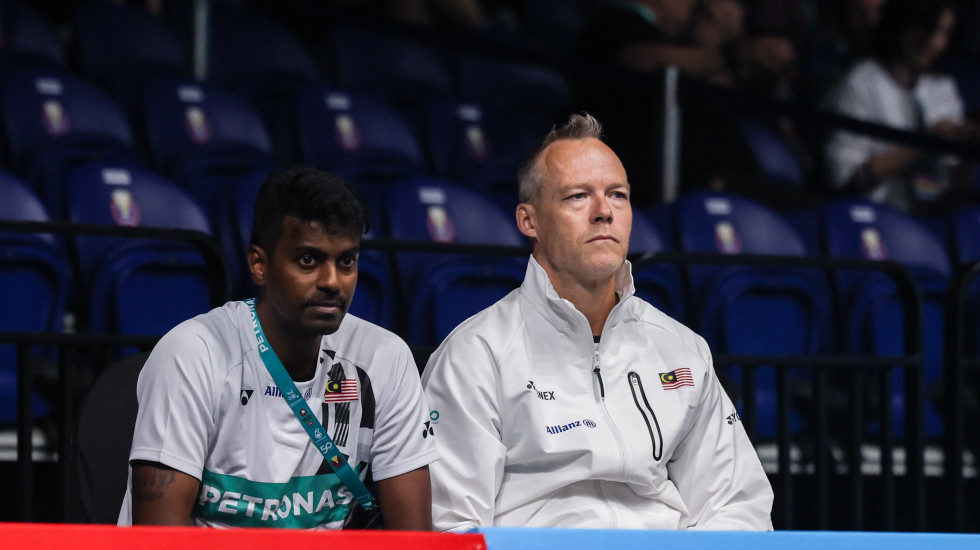
Kenneth Jonassen’s appointment as Director of Singles Coaching with Badminton Association of Malaysia was among the most interesting developments in elite badminton at the start of the season. While bringing in Danish expertise isn’t a new development for Malaysia, Jonassen’s impact will be closely followed as he brings his experience as head coach of Denmark (and previously, England) to an Asian country for the first time.
At YONEX All England 2025, Jonassen spoke to us about this new challenge. Here’s Part 1 of the interview.
What exactly is the scope of your role?
I’m slowly getting to terms and understanding the full scope of it, but of course, having two categories – men’s and women’s singles – together with our junior academy players and the coaches there, kind of understanding where it’s been slowly but surely also figuring out where we want to go. And then the other side, is day-to-day work with players and coaches in developing them. So it’s been full-on but at the same time really inspiring and for me, it’s about just getting the full scope of everything and then slowly but surely developing your strategy on how to move forward.
I believe in long-term strategy planning, but you need to know the full scope before you can actually do that, and then, in some sense, it’s also taking the day-by-day challenges and approaching them and trying to make them smaller, and over time maybe ironing some of them out.
When you started in January, was it a completely new system for you?
I was quite aware in some sense of what was going on, I had a good previous talk before going in; but of course, things are always different from what you might assume from the outside. But being part of quite a lot of early process, particularly with some of the juniors, and we have a talent intake and how the programme works there, to go to Under-21 national tournament and following that bit, you get a good understanding on many levels.
I haven’t been travelling that much with the senior players to tournaments, but I’ve been following them online of course. This is my first real tournament sitting behind (courtside) after having worked a little bit but it’s part of the pillars of developing a player – one is how we practice, but the very important part is how we compete and how people fare or how they communicate during matches. That (involves) a bit of long-term strategy and I came in to work with the players but also particularly working with the coaches as well.
So I’ve have many platforms, so to speak, many hats to fill, but that’s also why planning and strategy are super important.
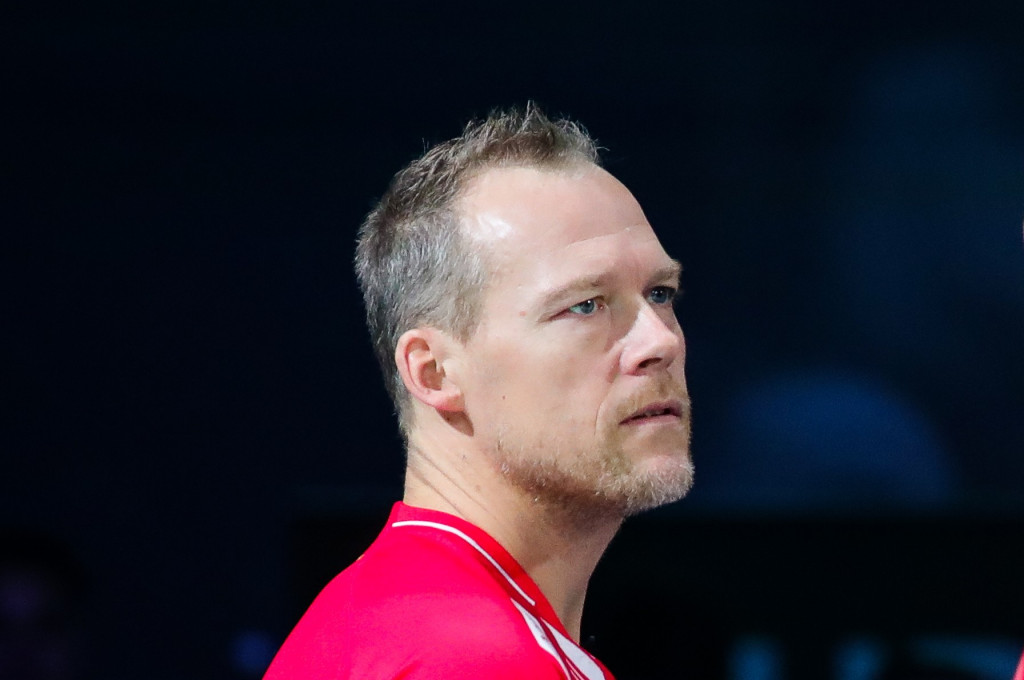
How differently do Asian players – Malaysian players in particular – respond to you, compared to European players?
First of all, I’ve discovered that the desire from these players, (while) having these individual talks, is exactly the same.
In terms of ambition, the drive to succeed, wanting to achieve success. Yet some of the motivations behind wanting to achieve success might be slightly different from a cultural point of view, but the desire to want to do, make a difference for yourself, is very very similar.
Of course there are some language barriers; that means I normally bring in the coaches to make sure that everybody around the table understand but it’s also a lot about the players understanding how I communicate and how complex badminton is. I’m not a black-and-white coach, I’m more grey and nuanced, who can see from different angles, and I don’t have a magic wand, I come from a very individual base. I’m actually not changing their foundation, but putting more into it, so when we can kind of get the puzzle right we have more aspects in our game.
And I think they’ve been used to maybe coaches coming in following a more specific direction and I’m not that kind of coach.
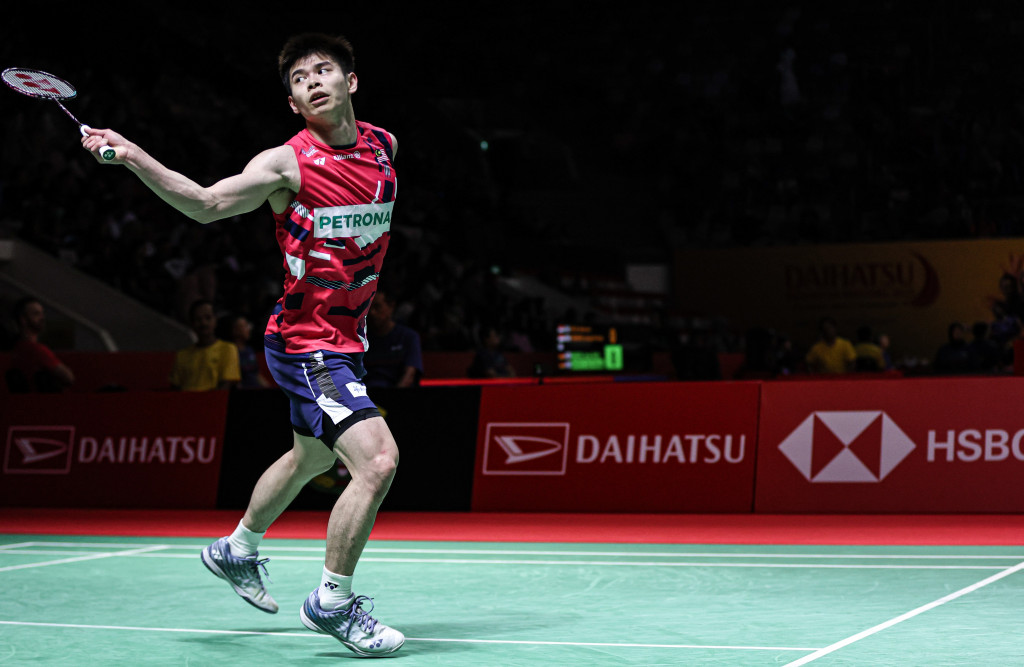
But personality-wise there must be some broad differences between European players and Asian players?
I think it’s just … maybe, being able to challenge back.
So basically I prefer when I’m bringing an idea that it’s not one-way communication. I prefer players having an individual mindset. Please challenge back what you don’t like. I like the communication there because I believe there we will find the best way moving forward. Overall, I don’t like silence, you can be in disagreement with me, it’s fine as long as we can be constructive and try to find a solution and you are willing to look at it in a constructive way. So I’d rather not have people leaving the room who said “yes” but they’re actually not in agreement.
But is that silence because in many Asian cultures it’s considered disrespectful to challenge those in senior positions?
It could be. That’s normal and this is, of course, something that will take a little bit of time to change. But it also needs to become clear that I have to have the patience and they have to feel comfortable knowing that if they challenge me I won’t, so to say, bite back. So in that sense, of course, as long as we apply ourselves on a day-to-day basis on all areas that concern your badminton – and for a professional badminton player that’s everything – as long as you apply yourself in that bit, I’m good. I don’t expect huge results just popping up because I know it’s a lifelong journey. Things go up, things go down, and you have good periods of time, you have bad periods of time, but I just want to see everybody apply themselves on a daily basis. That’s the key for me.
Part 2 coming soon …

BWF World Tour News
Canada Open: Clean Sweep by Japan 6 July 2026
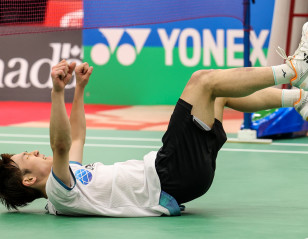
Canada Open: Okimoto Halts Lai’s Home Title Bid 5 July 2026

Where To Watch: YONEX Canada Open 2026 3 July 2026
Smashing Stats: Canada Open 2026 1 July 2026

BWF World Tour Calendar 2027-2028 Announced 30 June 2026
Canada Open: All Eyes on Lai 30 June 2026
US Open: Su, Christophersen Break Title Jinx 29 June 2026
US Open: Su Ends Chouhan’s Dream Run 28 June 2026
Where To Watch: YONEX US Open 2026 27 June 2026